'It was an ordinary evening. A food delivery arrived. And somewhere between staring at a plastic container and poking at mushrooms I didn't want to eat — an idea was born that would change everything for us.'
It sounds almost too simple when I say it out loud now. But that is exactly how MycoBox started — not in a lab, not in a boardroom, not with a business plan. It started with a meal we ordered during the PandaLabs program, a pile of mushrooms I wasn’t keen on eating, and a question that wouldn’t leave my head.
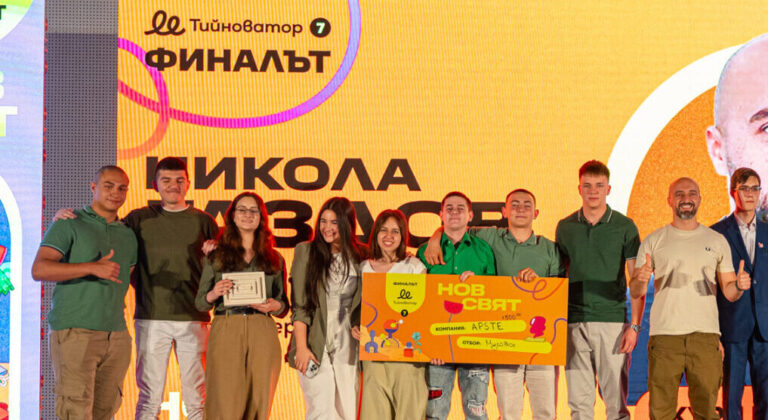
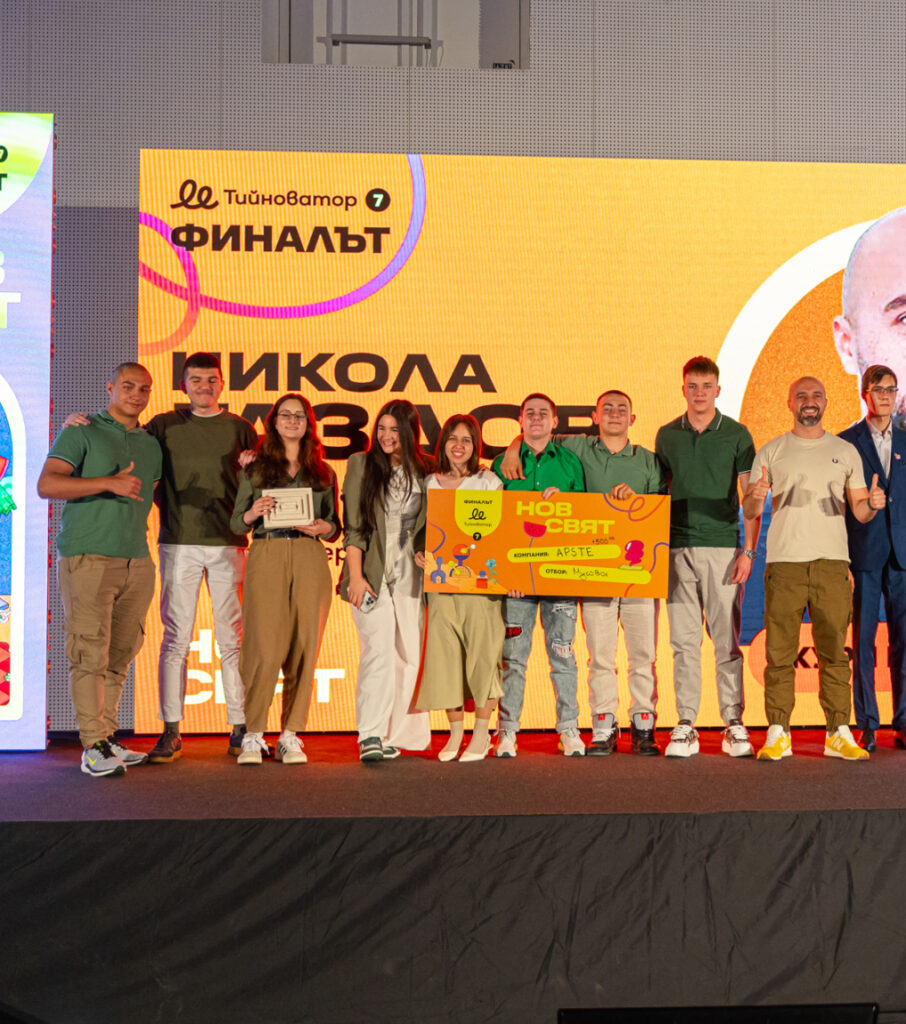
This is the full story of how three students from Varna, Bulgaria, went from that moment to standing on a stage at Teenovator 7 in Sofia — and walking away with both an award and an investment to make MycoBox real.
The moment everything started
Magdalena and I were sitting together, working on something for PandaLabs, when our food order arrived. The dish had mushrooms in it — which, at the time, I genuinely disliked. So instead of eating, I found myself staring at the packaging.
Single-use plastic. Again. The kind that gets used for twenty minutes and then spends the next five hundred years in a landfill. I’d seen the statistics before — we all have — but in that moment it felt personal somehow. Unnecessary. Wasteful.
And then, almost as a joke, I thought: we have mushrooms right here in this box. What if the box itself was made of mushrooms?
I told Magdalena. She didn’t laugh. She pulled out her phone and we started researching — right there, dinner going cold, completely absorbed. What we found was both exciting and surprising: mycelium packaging already existed in other parts of the world. Companies like Ecovative in the US had been growing packaging from fungal root networks for years. IKEA was experimenting with it. Dell was shipping products in it.
But in Bulgaria? Nothing. Not a single example. The technology existed — it just hadn’t arrived here yet. That was the moment the joke became an idea, and the idea became a mission.
Teenovator: The Stage We Didn’t Know We Needed
Joining Teenovator — Bulgaria’s largest high school entrepreneurship program — wasn’t part of some grand strategic plan. It was an opportunity, and we took it. What we didn’t expect was how much the program would push us to think bigger, sharper, and more seriously about what we were building.
The weeks leading up to the final were intense. We had to articulate not just what MycoBox was, but why it mattered, who it was for, what the market looked like, and how we planned to make it real. Questions we’d thought about became questions we had to answer — clearly, confidently, in front of people who had built and funded real businesses.
The Teenovator 7 Final took place in Sofia, at Sofia Tech Park. Around 600 students presented 80 projects to a jury of investors. The energy in that room was extraordinary — dozens of young people who had turned ideas into pitches, prototypes, and plans.
When they called MycoBox — when we walked out of that room with an investment — it didn’t feel real at first. Three students from Varna, who started with a food order and a dislike of mushrooms, had just been backed by investors to keep going.
What Comes Next
The investment from Teenovator isn’t the finish line — it’s the starting gun. We’re using it to continue developing our prototype, deepen our research into local growing conditions and substrate materials, and begin conversations with potential partners in the Bulgarian food industry.
The goal hasn’t changed since that first evening: to make mycelium packaging a real, accessible option in Bulgaria. To show that sustainable alternatives don’t have to be imported — they can be grown right here, from materials that already exist, by people who care deeply about the outcome.
We’re three teen students from a vocational school in Varna. We have no degrees, no labs, no corporate backing. What we have is an idea we believe in, a team that works hard, and proof — thanks to Teenovator — that others believe in it too.
The plastic era is ending. We’d like to help grow what comes next.